Tips for a Healthy, Rosy Complexion
 Mei Han5 mins
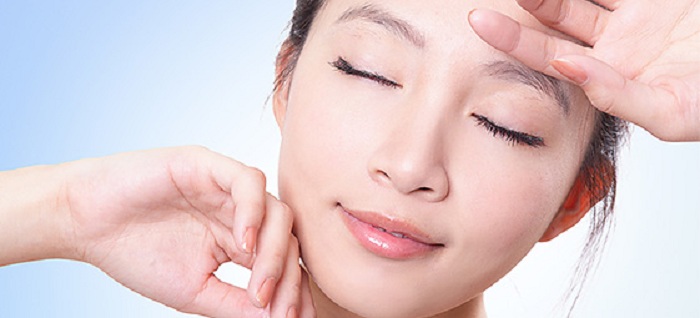
Your skincare routine matters. So does the way you nourish and care for your body each day. In Traditional Chinese Medicine, the complexion is part of a bigger picture. The movement of Qi, Blood and body fluids may influence the skin’s natural colour, moisture and overall appearance.[1][2] This is why beauty care in TCM often begins with the everyday foundations: nourishing food, enough rest and support that suits your body.
Your complexion, in context
TCM practitioners look at the face as part of a wider understanding of the body. Colour, texture and moisture may offer useful clues about where more support is needed.[2]
These observations are part of a traditional TCM assessment. They are not a medical diagnosis. Any sudden, persistent or concerning skin changes should be checked by a healthcare professional.
Three systems behind a healthy complexion
Overeating will lead to food stagnation in our body.
- 1.The Heart supports healthy colour
In TCM, the Heart is closely connected to Blood and its circulation.
When the body is well nourished and Blood moves smoothly, the complexion may appear naturally rosy and lively. A pale or dull appearance may lead a practitioner to consider how well Qi and Blood are being produced and circulated.[1][3]
- 2.The Lungs help keep skin comfortable
The TCM Lung system is traditionally connected to the skin and body hair. It is also understood to help distribute Qi and body fluids towards the body’s surface.[4]
When the skin feels dry, rough or tight, supporting the Lung system may form part of a wider TCM approach to restoring moisture and comfort.
- 3.The Spleen turns food into nourishment
In TCM, the Spleen helps transform food into the nourishment needed to produce Qi and Blood.[3]
When this system is well supported, the body can make better use of what it receives. This may show in a complexion and lips that appear naturally coloured and comfortable.
Nourish your glow, one meal at a time
Food therapy is one of the simplest ways to bring TCM into daily life. Begin with one or two ingredients that work naturally with the meals you already enjoy.
| Food | Key Benefits |
|---|---|
| White fungusBai Mu Er, 白木耳 | Soft and delicate, white fungus works well in slow-cooked soups and lightly sweetened desserts. |
| Chinese wolfberriesGou Qi Zi, 枸杞子 | Add a small handful to porridge, tea or soup. Their mild sweetness makes them easy to enjoy regularly. |
| Red datesHong Zao, 红枣 | Simmer them in tea or add them to broths for a naturally sweet, warming note. |
| Lily bulbsBai He, 百合 | Fresh or dried lily bulbs can be cooked in savoury soups or gently sweetened dishes. |
| Coix barleyYi Yi Ren, 薏苡仁 | With its mild flavour, coix barley fits easily into traditional soups and drinks. |
| Black sesame seedsHei Zhi Ma, 黑芝麻 | Sprinkle them over breakfast or blend them into a warm sesame paste. |
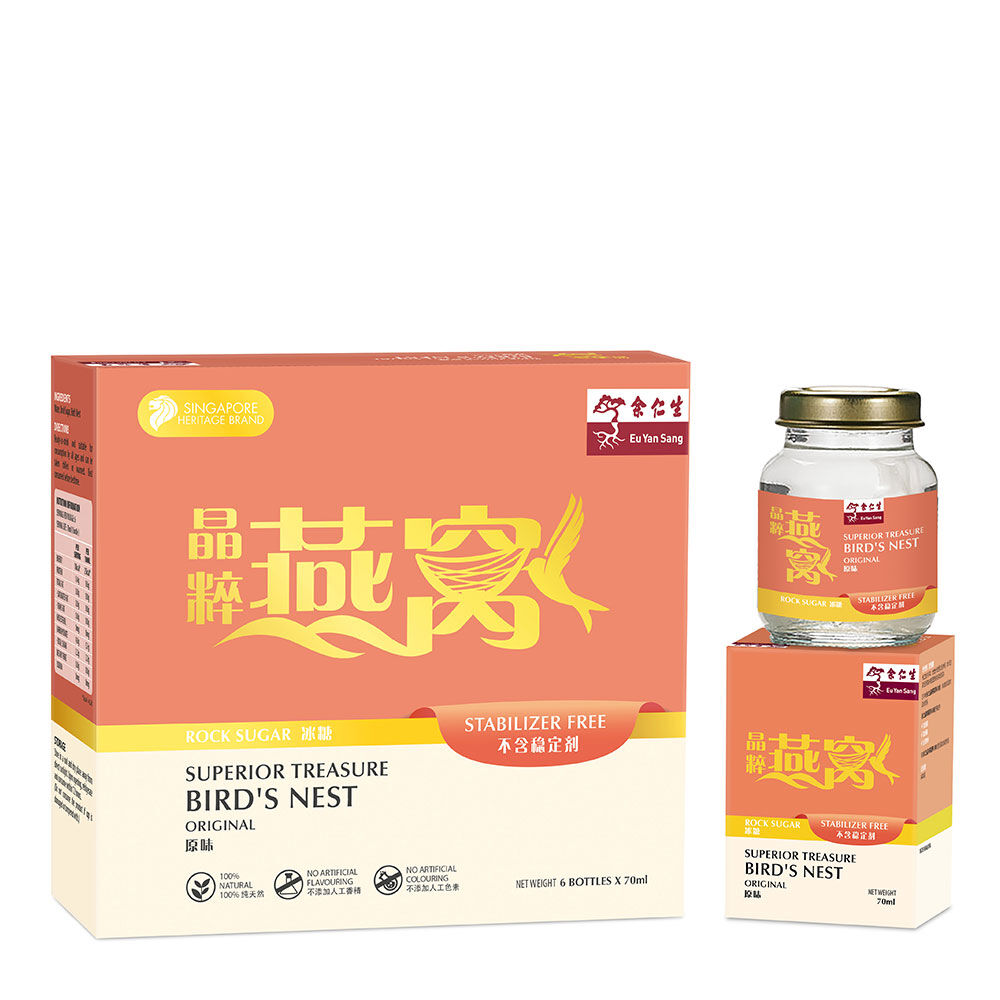
| Bird’s nestYan Wo, 燕窝 | Traditionally enjoyed as a nourishing food, bird’s nest is often served in a lightly sweetened soup. |
Small rituals, on repeat
A healthier-looking complexion is built over time, not in one ambitious bowl of soup.
Add wolfberries to breakfast. Brew red dates into an afternoon tea. Choose something simple enough to become part of your day.
Daily nourishment does not need to be complicated. It simply needs to fit your life.
Explore Beauty & Youth
More everyday rituals for radiant skin.- 1.Marshall AC. Traditional Chinese Medicine and Clinical Pharmacology (opens in a new tab). Drug Discovery and Evaluation: Methods in Clinical Pharmacology, 2020.
- 2.Zhao C, et al. “Qualitative and Quantitative Analysis for Facial Complexion in Traditional Chinese Medicine. (opens in a new tab)” BioMed Research International, 2014.
- 3.Wu XN. “Current Concept of Spleen-Stomach Theory and Spleen Deficiency Syndrome in Traditional Chinese Medicine. (opens in a new tab)” World Journal of Gastroenterology, 1998.
- 4.Li LT. “Comparative Physiology on ‘The Lung Controls the Skin and Hair’ Theory of Traditional Chinese Medicine. (opens in a new tab)” Chinese Journal of Integrated Traditional and Western Medicine, 1987.
- 5.National Center for Complementary and Integrative Health. “Traditional Chinese Medicine: What You Need to Know (opens in a new tab)” and “Dietary and Herbal Supplements.”
- 6.National Institute of Diabetes and Digestive and Kidney Diseases. Chinese and Other Asian Herbal Medicines (opens in a new tab), LiverTox.